Projects
2026-06
HackXplore 2026: Smart IoT Platform for VEGA
Concept for an IoT platform that lets Karlsruhe water its city trees as needed. Challenge set by VEGA at the HackXplore 2026 hackathon.
- Date
- June 2026
- Topics
- IoT, MQTT, Arduino, Sensor network, Hackathon
- Links
- Code on GitHub
The challenge
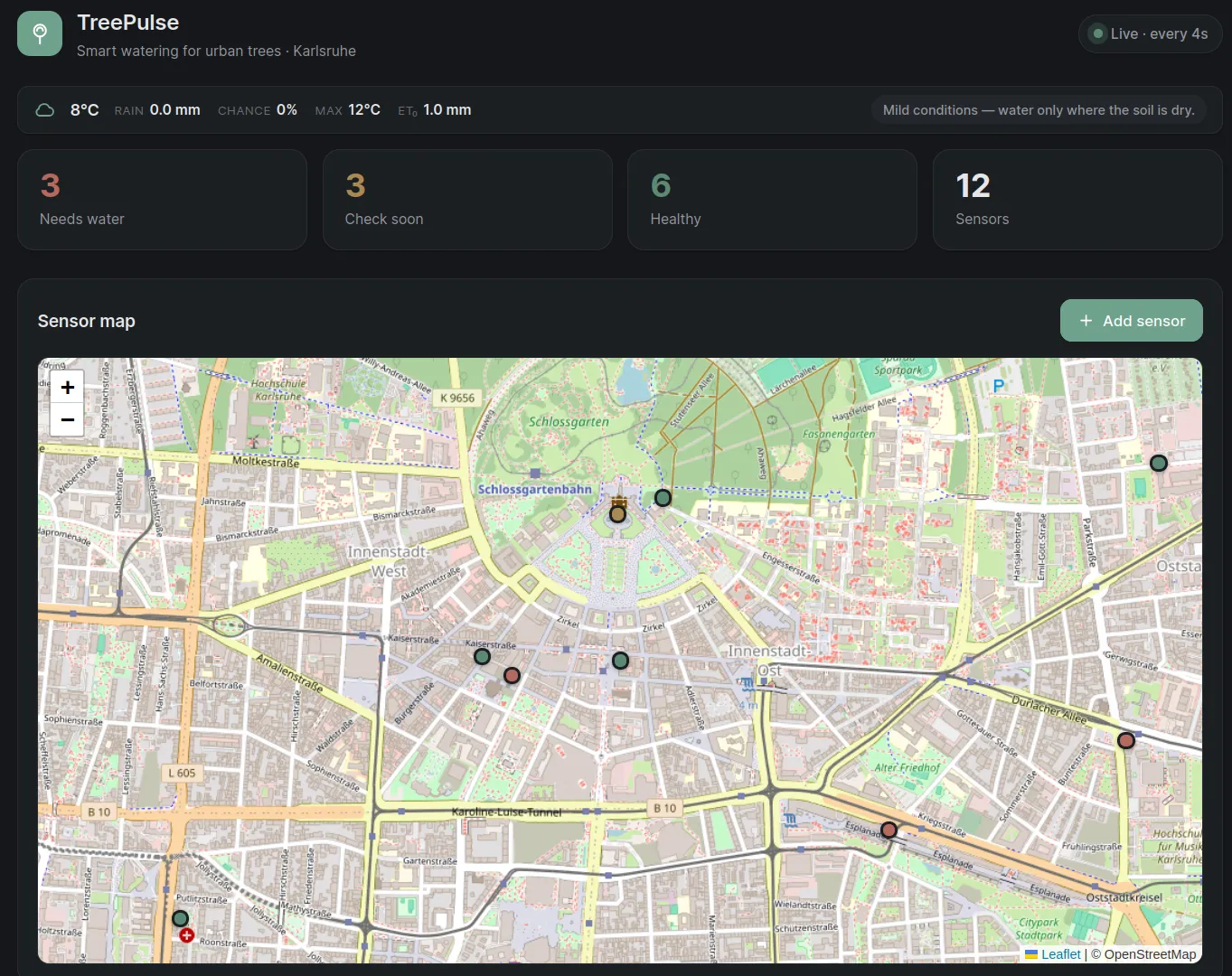
At the HackXplore 2026 hackathon, my team and I worked on a challenge set by VEGA KG: inner-city trees are to be equipped with moisture sensors to enable intelligent watering strategies in hot summers. It is meant to help the city of Karlsruhe optimise watering, be it with regard to route planning, water demand planning or the like.
A sensor kit with an Arduino and moisture sensors was available.
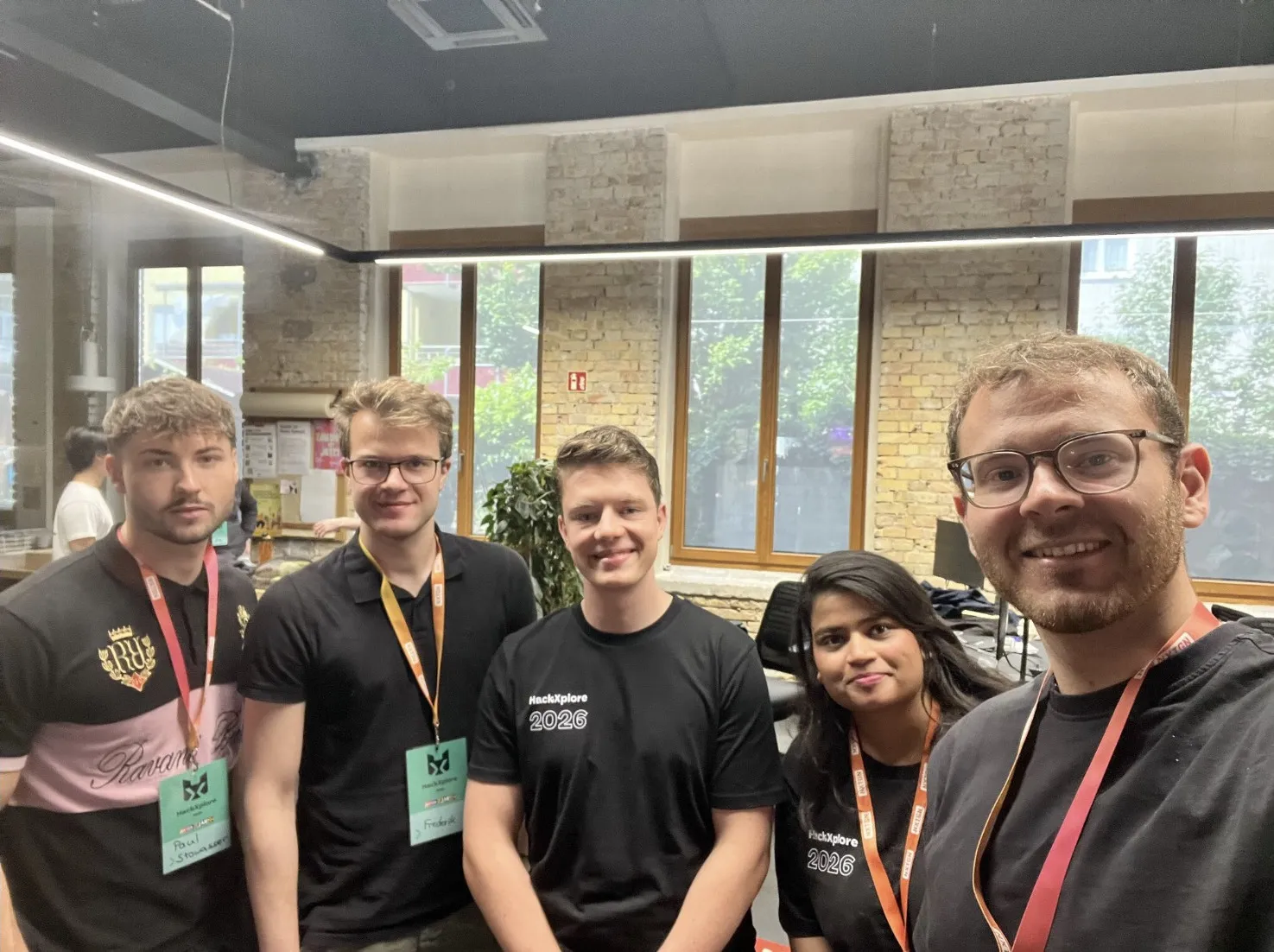 Fig. 01 — Team at HackXplore 2026.
Our concept
The concept has three parts: a sensor network on the trees, an app for water demand and the IoT platform.
A sensor on every tree
Every tree has a low-cost moisture sensor. We deliberately decided against LoRa on every sensor. Instead, each sensor only communicates with its direct neighbours on the left and right.
As in a typical star topology, the information comes together at central stations. These stations are located at traffic lights and are connected to the power line that is already in place there. Only there does the more complex communication take place.
Water as needed
Not every tree needs the same amount of water. That is why it should be possible to simply scan in a tree’s data via an app. From the tree species and trunk diameter, the system estimates how much water the tree needs. The person doing the watering is shown this amount as a watering time.
The platform
The IoT platform shows the condition of every tree. It also optimises the routes for watering.
Within the team, I took care of the MQTT backend.
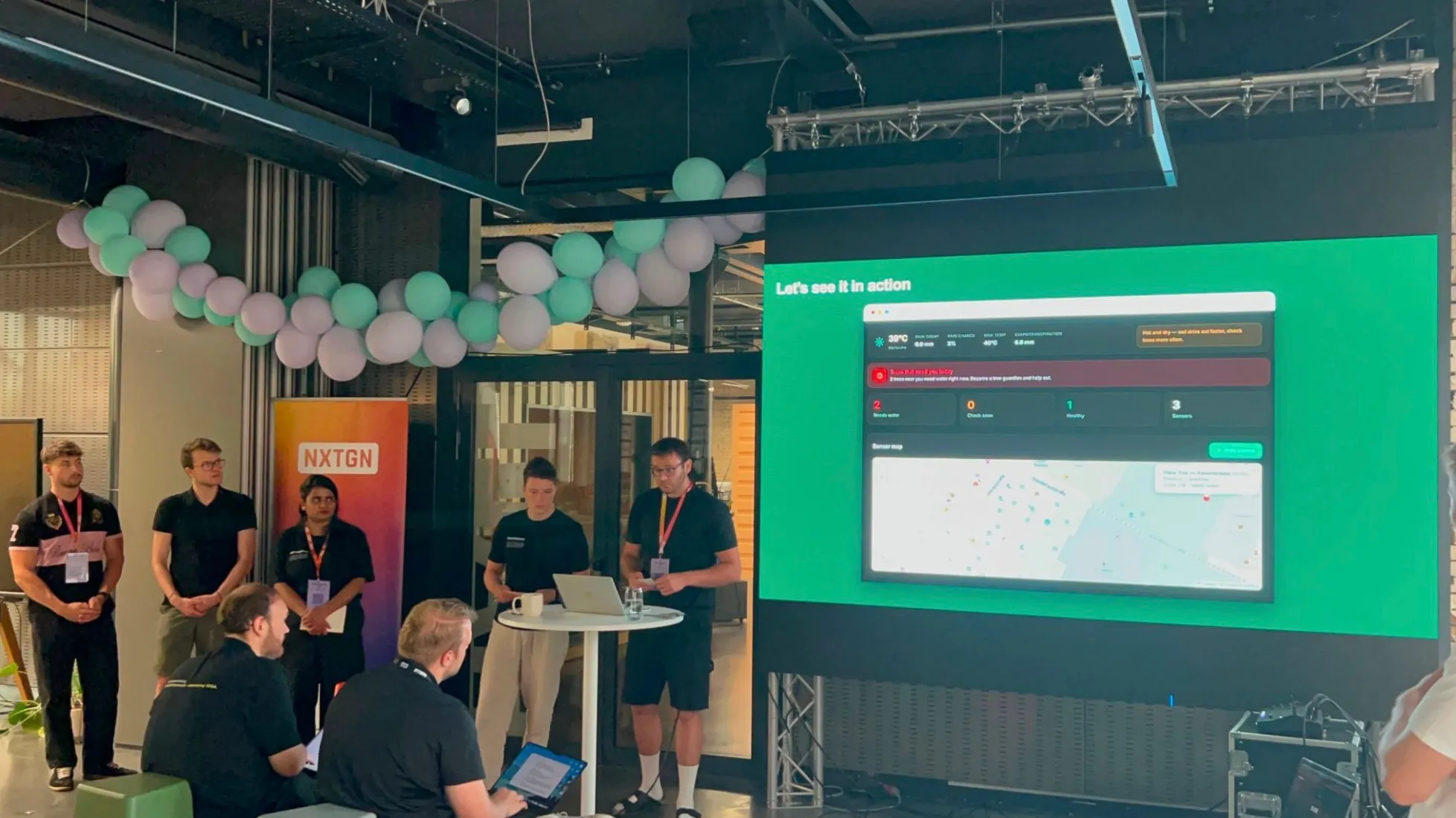 Fig. 03 — During the pitch. On the screen is the dashboard: at the top the trees that need water today, below them the map of the sensors.
Outlook
Tree watering is only one problem that such an IoT platform can solve. The same platform can be used to tackle further tasks in the city, for example detecting full litter bins.
Pitch and teamwork
During the hackathon, my team received training on project pitching and on communication within the team. At the end, we presented our solution to a jury.
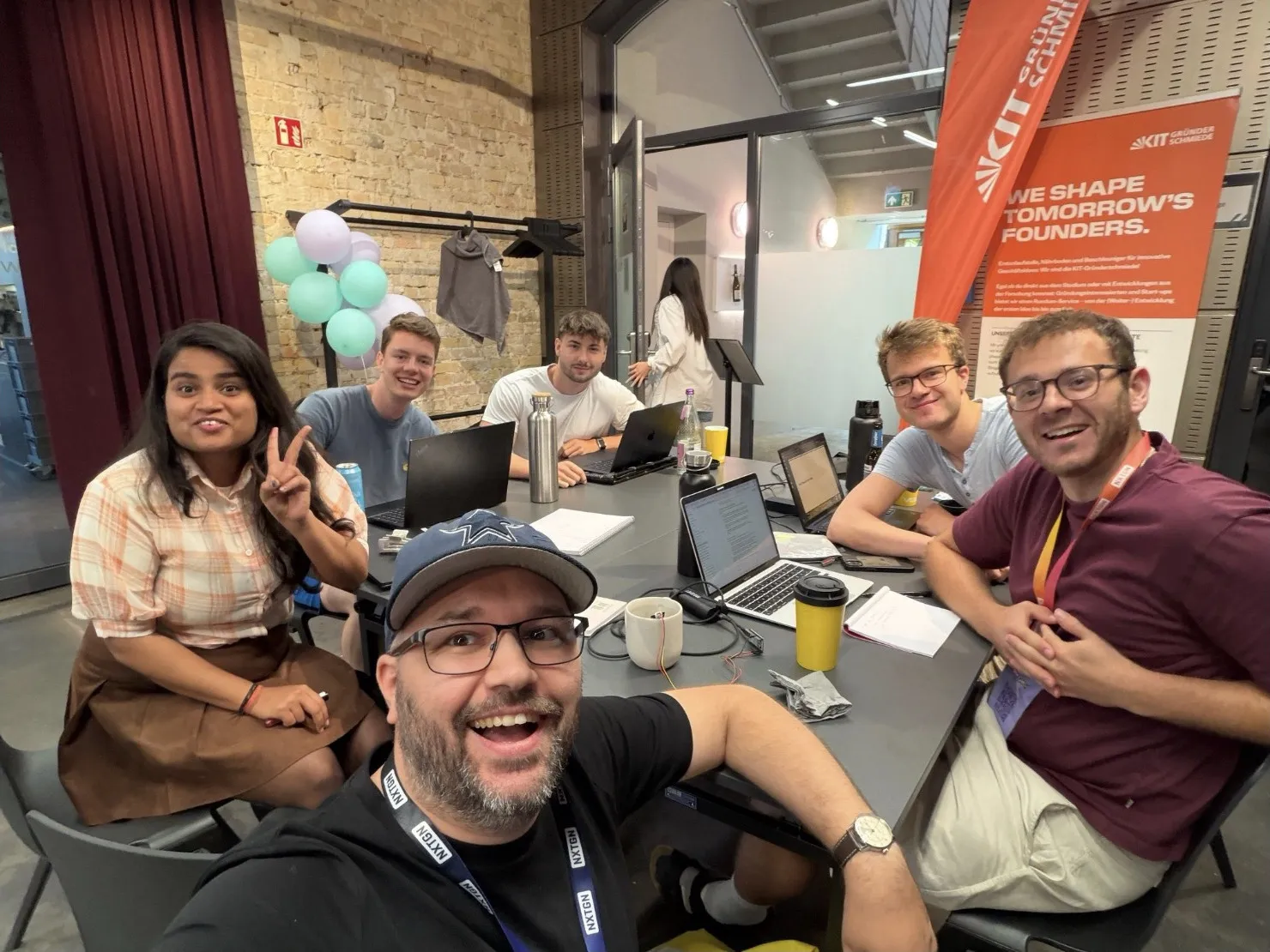 Fig. 04 — At the work table during the hackathon.
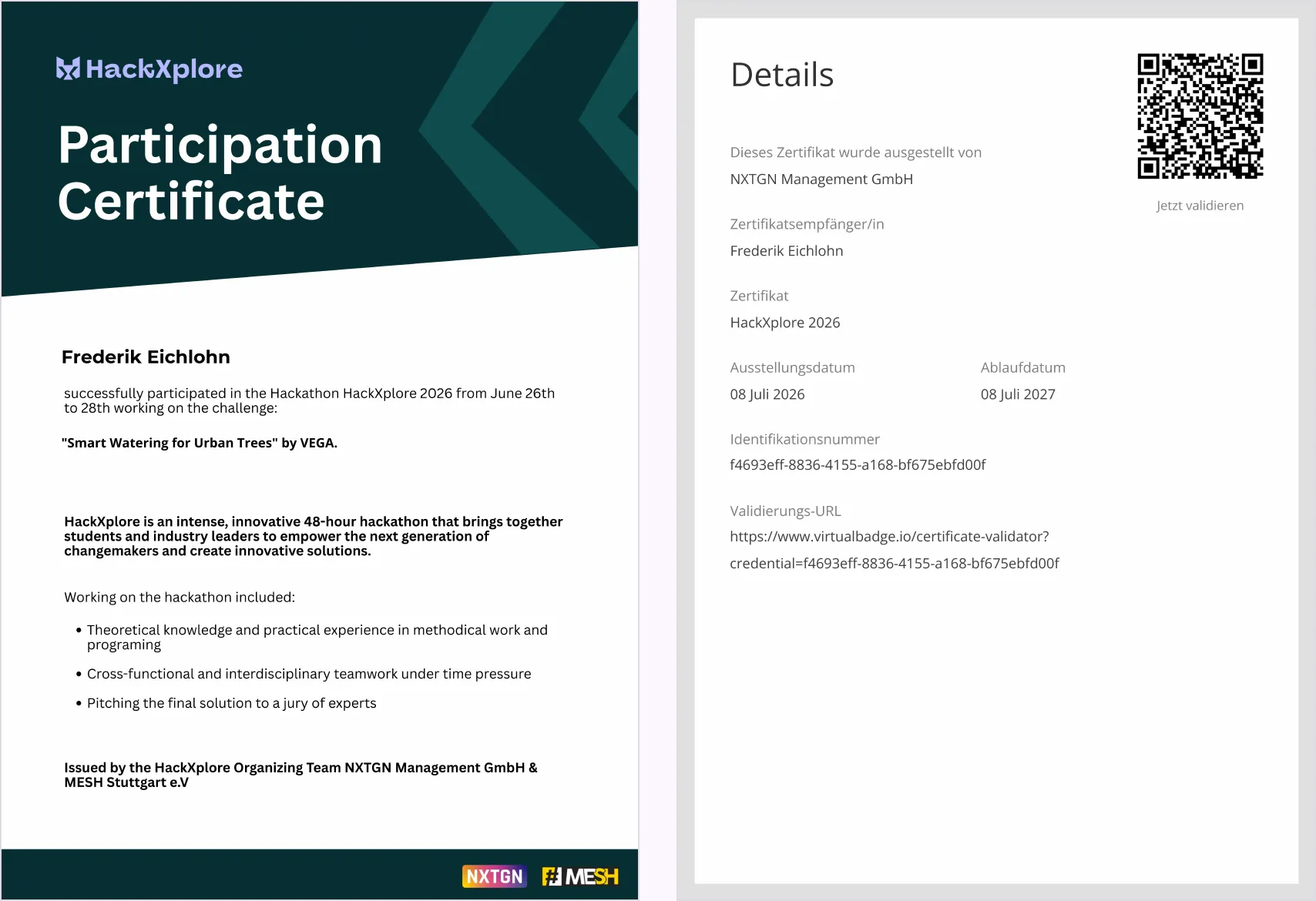 Fig. 05 — My participation certificate: HackXplore 2026 from 26 to 28 June, challenge “Smart Watering for Urban Trees” by VEGA. Open the certificate as PDF